How to Sell Handmade Goods Online in 2026
How to sell handmade goods online in 2026 — real platform fees, Etsy alternatives, and a multi-channel strategy that actually protects your income.

Talal Emran
Web Developer & Designer
Published
9 min read

Etsy’s active buyer count slipped to roughly 86.6 million in early 2026, down about 2% year over year and well below its earlier peak near 96 million. That decline sits alongside a fee stack that’s climbed steadily — a 6.5% transaction fee, a $0.20 listing fee every four months, and mandatory Offsite Ads that take another 12–15% off any sale traced back to one of Etsy’s own ads once a shop crosses $10,000 in annual revenue. Etsy still works. It’s just no longer the obvious, only answer it used to be.
This guide covers how to actually sell handmade goods online in 2026: where to start if you’re new, what the real fees look like across every major platform, and how to build a multi-channel setup that doesn’t leave your entire income exposed to one company’s algorithm.

How We Evaluated This Guide
Every platform here is compared on real, current fee structures rather than a “getting started” pitch, and we specifically avoided treating any single marketplace as a permanent home base — platform risk is a real, recurring theme in seller communities, and a genuinely good strategy accounts for it rather than ignoring it.
Why Etsy Still Makes Sense as a Starting Point
Despite the declining buyer count and rising fees, Etsy remains the best starting platform for most new makers, and for a specific reason: it has a built-in buyer audience actively searching for handmade goods, low upfront cost, and the fastest realistic path to your first sale. Building traffic from zero on your own store can take months; Etsy’s existing search traffic can get a new, well-optimized listing in front of buyers within days.
Best for: brand-new sellers without an existing audience who need to validate demand and make their first sales quickly.
The trade-off is real and worth stating plainly: you don’t own the relationship with your customers on Etsy. Etsy does. If the platform changes its algorithm, suspends a shop, or shifts policy, there’s genuinely little recourse — which is exactly why relying on Etsy as your only channel is a business risk, not just a minor inconvenience.
What Every Major Platform Actually Costs
Fee comparisons in this space are usually presented vaguely. Here’s what sellers are actually paying in 2026, platform by platform.
| Platform | Core Fees | Best For |
|---|---|---|
| Etsy | $0.20 listing fee (every 4 months) + 6.5% transaction fee + ~3% + $0.25 payment processing | Fastest path to first sales, built-in audience |
| Amazon Handmade | 15% flat referral fee, no listing fee | High-volume sellers wanting Prime shipping via FBA |
| eBay | ~12.7% on sales up to $2,500 + $0.30 per order | One-of-a-kind or collectible handmade pieces |
| TikTok Shop | As low as 2% | Sellers building an audience through short-form video |
| Shopify | $39+/month, no transaction fees with Shopify Payments | Full brand control, sellers ready to drive their own traffic |
| WooCommerce | Free plugin + hosting ($5–15/month) | Technical sellers already running WordPress |
| Big Cartel | Free for up to 5 products; $15+/month beyond that | Small catalogs, artists testing the waters |
| Faire | Wholesale-specific fee structure | Selling in bulk to boutiques and retail stores |

A few numbers in that table deserve context. Amazon Handmade’s 15% flat fee looks steep next to Etsy’s 6.5%, but it comes with no listing fees, unlimited listings that never expire, and access to Fulfillment by Amazon — meaning Prime shipping on handmade goods, something Etsy simply can’t offer. TikTok Shop’s 2% fee is the lowest on this list by a wide margin, but it’s tied to a fundamentally different sales motion: discovery through short-form video rather than search-driven browsing, which suits some handmade categories far better than others.
Best for makers prioritizing lowest fees over built-in traffic: TikTok Shop, provided you’re genuinely willing to produce short-form content consistently — the low fee doesn’t matter if nobody sees your listings.
Best for scaling volume with logistics handled for you: Amazon Handmade, specifically for makers with the production capacity to fulfill consistent demand at Prime-shipping speed.
Building Your Own Store: When It’s Actually Worth It
Every marketplace on the list above shares the same limitation — you’re renting visibility and playing by someone else’s rules. A self-hosted store on Shopify, WooCommerce, or a similar platform flips that: no listing fees, full ownership of your customer data and email list, and complete control over branding.
The trade-off is equally real. A marketplace brings you the shoppers. A website builder makes you responsible for finding them yourself, through social media, email marketing, and your own SEO effort. That’s genuinely more work, and it’s not the right starting point for a brand-new maker with zero existing audience.
Best for: established makers who already have some audience — whether from Etsy, social media, or word of mouth — and are ready to reduce their dependence on marketplace algorithms.
The most effective pattern reported by experienced multi-channel sellers isn’t choosing one over the other. It’s using marketplaces for discovery and your own store as a retention home base — sending repeat customers and email subscribers to a store you fully control, while still using Etsy, Amazon Handmade, or TikTok Shop to reach new buyers who’d never find you otherwise.
A Realistic Multi-Channel Strategy
Trying to launch on six platforms simultaneously as a new seller is a fast route to burnout and inconsistent inventory. A more realistic sequence:

- Start with one platform to validate demand. Etsy remains the default choice here for the reasons above — built-in traffic, low setup cost, fast feedback on whether your products actually sell.
- Add a second channel once you have consistent sales. Pick based on your specific product and strengths — TikTok Shop if you’re comfortable on video, Amazon Handmade if you have production capacity for volume, eBay if your pieces are one-of-a-kind or collectible.
- Build your own store once you have traffic to send it. This is the point where a Shopify or WooCommerce store starts paying for itself — not as your first sales channel, but as the destination for repeat buyers and your email list.
- Track your real profitability across channels, not just revenue. Fee structures differ enough between platforms that a channel with higher gross sales can easily be less profitable than one with lower volume but lower fees — track cost of goods and platform fees per channel, not just top-line numbers.
Pricing Handmade Goods Correctly
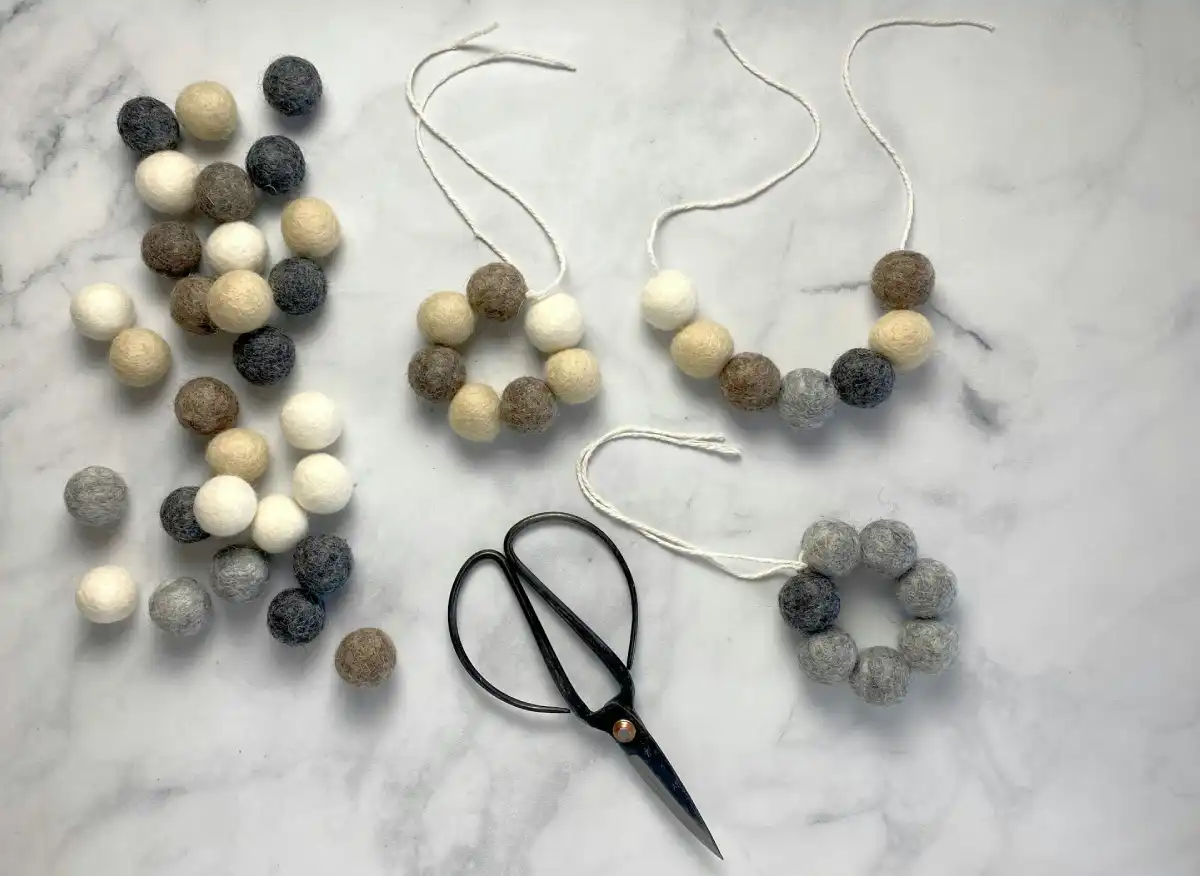
Underpricing is one of the most common and damaging mistakes new handmade sellers make, and it compounds badly once platform fees are factored in. A price that feels reasonable before fees can quietly become unprofitable once a 6.5–15% marketplace cut, payment processing fees, and shipping materials are all subtracted.
- Cost your materials and time honestly, including packaging — not just the raw materials, but every component that goes into a finished, ready-to-ship product.
- Build platform fees into your price, not on top of it. A price that only works on your lowest-fee platform will lose money the moment you expand to a higher-fee one.
- Price for your actual audience, not the cheapest listing you can find. Handmade buyers on Etsy and similar platforms are frequently paying for the story and craftsmanship, not competing purely on price against mass-produced alternatives.
- Revisit pricing when you add a new channel. A price that’s profitable on Etsy at 6.5% may need adjustment on Amazon Handmade at 15%, rather than assuming one price works everywhere.
Where This Advice Falls Short
A few honest limitations belong here, since the “sell handmade goods online” space is full of oversimplified advice.
- Fee structures change, and they’ve been trending upward. Etsy’s transaction fee has already climbed once in recent years — treat every fee figure in this guide as current, not permanent, and verify before committing to a platform.
- Not every handmade category fits every platform. TikTok Shop rewards visually dynamic, video-friendly products far more than something like custom stationery or made-to-order furniture.
- Multi-channel selling adds real operational complexity. Tracking inventory, pricing consistency, and order fulfillment across three or four platforms is genuine ongoing work, not a one-time setup step.
- Building your own store’s traffic takes real time. A self-hosted shop with zero existing audience will not replace marketplace-driven sales quickly — plan for it as a medium-term investment, not an instant substitute.
The Bottom Line
There’s no single best place to sell handmade goods online in 2026 — there’s a smart sequence. Start where the built-in traffic is, which for most new makers is still Etsy despite its rising costs. Add a second channel once you understand your actual margins and production capacity. Build your own store once you have real traffic to send it, so you’re not permanently renting your customer relationships from a platform that can change the rules at any time. The sellers doing well in this space aren’t the ones who found one perfect platform — they’re the ones who diversified deliberately instead of by accident.
FAQ
Is Etsy still worth it for new sellers in 2026?
Yes, for most first-time makers — it remains the fastest path to a first sale thanks to its built-in, actively-searching buyer audience, even with its fee stack climbing in recent years.
What’s the cheapest platform to sell handmade goods on?
TikTok Shop, with fees as low as 2%, but that low cost only pays off if you’re genuinely willing to create consistent short-form video content to drive discovery.
Should I sell on multiple platforms at once?
Eventually, yes — most experienced sellers report that relying on a single marketplace is a real business risk, and diversifying across two or three channels protects income from any one platform’s algorithm or policy changes.
When should I build my own store instead of relying on marketplaces?
Once you have consistent sales and some existing audience — a self-hosted store works best as a retention destination for repeat buyers and email subscribers, not as your very first sales channel with zero traffic.
How do I price handmade goods so I’m actually profitable after fees?
Cost your materials, time, and packaging honestly, then build each platform’s specific fee percentage into your price rather than assuming one price works across every channel you sell on.