Free SEO Tools That Boost Your Business in 2026
Free SEO tools that boost your business in 2026 — Google Search Console, Ubersuggest, AnswerThePublic, and more, with real limits and how to stack them.

Talal Emran
Web Developer & Designer
Published
10 min read

Of the more than 10,000 SEO tools currently tracked across the industry, only about 40 still offer a genuine free tier in 2026. That number matters more than it might seem: vendors quietly shrink or kill free tiers once a “best free tools” listicle sends a spike of new signups, which means a ranking from even a year or two ago is often already wrong. Every tool in this guide has been verified against current 2026 pricing pages specifically to avoid that trap.
This guide covers the free SEO tools that genuinely move the needle for a small business in 2026 — what each one actually does, its real usage limits, and how to stack several together into a workflow that covers keyword research, technical health, and local visibility without paying for a single subscription.
How We Evaluated These Tools
Every tool here had to have a verified, currently active free tier as of 2026, not a legacy reputation from a few years ago. We prioritized tools solving genuinely different problems — keyword research, technical audits, local visibility, question-based content ideas — over multiple overlapping options in the same category, since stacking tools that do the same thing wastes time without adding real coverage.
Start Here: The Non-Negotiable Google Trio
Three tools from Google form the foundation of any free SEO stack, and they’re non-negotiable specifically because they’re the only source of certain data with no third-party equivalent.
Google Search Console is the single most important free SEO tool available, full stop. It’s the only source of your actual Google performance data — no third-party tool can match its accuracy for understanding which keywords bring traffic, which pages rank, and what technical issues Google itself is flagging on your site. As of 2026, Search Console has also expanded to include AI Mode visibility reporting, tracking how your content performs inside Google’s AI-generated search summaries specifically, not just traditional blue-link results.
Google Analytics 4 pairs directly with Search Console to show what happens after a visitor lands on your site — behavior, conversion paths, and which content actually drives the outcomes that matter to your business, not just raw traffic volume.
Google Business Profile is the single most important free tool specifically for any local business. It controls how you appear in Google Search and Google Maps, and as of 2026, that profile data also feeds directly into Google’s AI Overviews — meaning an incomplete or inconsistent profile can cost you visibility at the exact moment a nearby customer is making a decision.
Best for: literally every business regardless of size or industry — this trio is the mandatory starting point before adding any other tool to the stack.
Keyword Research: Stack Multiple Free Quotas Instead of Relying on One
This is where free-tier limits genuinely start to bite, and the smartest workaround isn’t finding one perfect free tool — it’s stacking several tools’ independent daily quotas together.
| Tool | Free Tier Limit | Best Use |
|---|---|---|
| Google Keyword Planner | Effectively unlimited (requires ad account) | Baseline search volume data straight from Google |
| Ubersuggest | 3 searches/day | Search volume, keyword difficulty, and CPC data |
| AnswerThePublic | 3 searches/day | Question and phrase-based keyword discovery |
| AlsoAsked | 3 searches/day | Related “People Also Ask”-style question mapping |
| Mangools (KWFinder) | 5 searches/month | Keyword difficulty scoring, local keyword research |
| Keyword Surfer (Chrome extension) | Unlimited | In-SERP volume and related keyword data while browsing |
Since Ubersuggest, AnswerThePublic, and AlsoAsked each reset independently every 24 hours, running all three in sequence during a single research session effectively multiplies your daily free keyword research capacity well beyond what any single tool offers alone.
Best for building a keyword list from zero: start with Google Keyword Planner for baseline volume data, then layer in AnswerThePublic specifically for question-based, long-tail phrasing that a pure volume tool won’t surface on its own.
“Start with 2-3 tools that serve different purposes — one for volume data, one for questions, and one for quick checks.” — StackMatix, 2026 free keyword research tools analysis
Technical SEO: Free Audits That Catch Real Ranking Issues
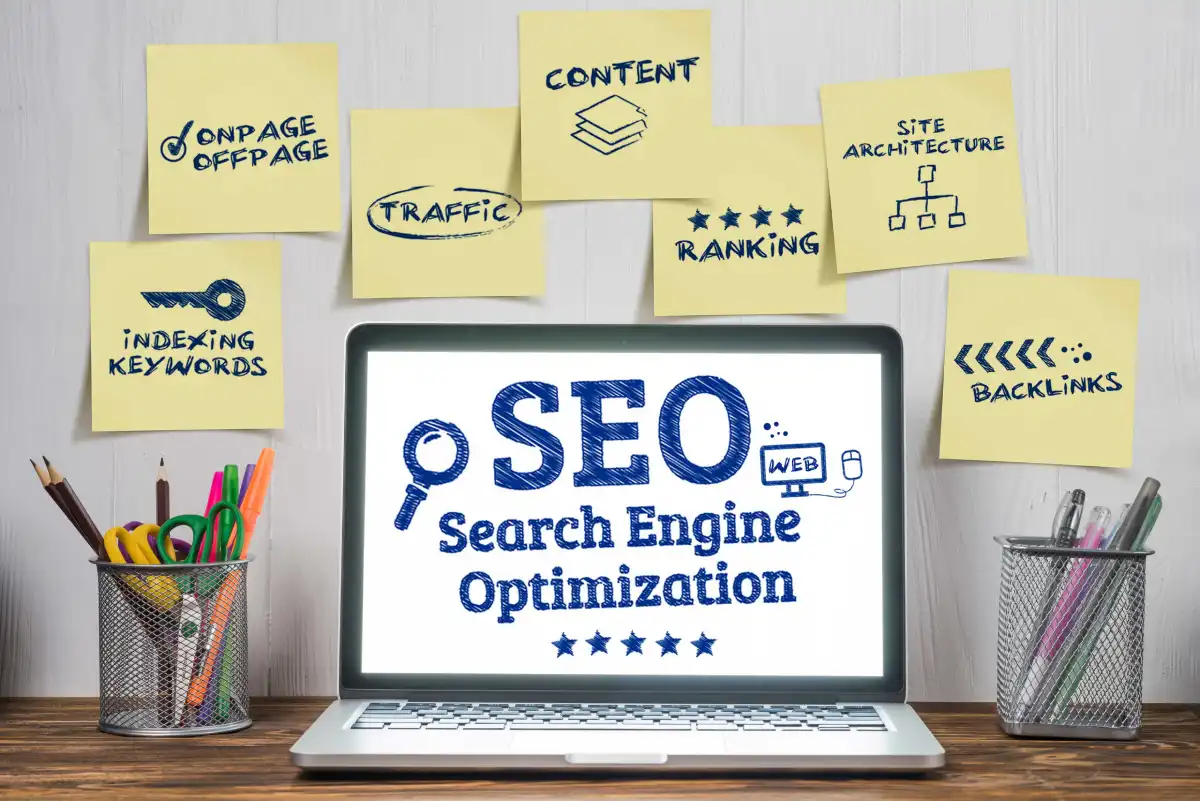
Technical problems — broken links, missing meta tags, slow load times — quietly suppress rankings even when content quality is strong, and several genuinely free tools catch these issues without requiring a paid crawler subscription.
Screaming Frog offers a free Lite mode covering up to 500 URLs, sufficient for a full technical crawl of most small business sites without upgrading to the paid version. Ahrefs Webmaster Tools gives professional-grade backlink and site audit data for free, though only for websites you can verify ownership of — a meaningful limitation compared to Ahrefs’ full paid product, but still genuinely useful data at zero cost for your own site.
Google Lighthouse and Core Web Vitals (built into Chrome DevTools) measure page speed and user-experience metrics directly, the same signals Google’s own ranking systems weigh — running these before and after a site change is one of the few ways to directly verify a technical fix actually improved performance rather than just assuming it did.
Best for a first technical audit on a small site: Screaming Frog’s free Lite mode, since 500 URLs covers the overwhelming majority of small business websites in a single crawl.
Local SEO: Free Tools With an Outsized Impact for Small Businesses
For any business with a physical location or a defined service area, local SEO tools deliver a disproportionately large return relative to their zero cost, since local search intent converts at meaningfully higher rates than general informational search.
Beyond the already-mentioned Google Business Profile, Bing Webmaster Tools provides a parallel version of Search Console’s data for Bing’s own search index — a smaller share of total search traffic than Google, but a genuinely free, zero-effort second data source once Google Search Console is already set up. Combining Google Search Console, AnswerThePublic, and Bing Webmaster Tools together gives a comprehensive, no-cost approach to search visibility across both major engines simultaneously.

Best for: any local or regional business — this category consistently delivers outsized results relative to the zero setup cost involved, more so than general content-focused SEO tools.
What Free Tools Genuinely Can’t Replace
Being honest about the ceiling here matters as much as recommending the tools themselves. There is no single free tool that fully replaces a comprehensive paid platform like Ahrefs or Semrush — the core limitation of free tools isn’t accuracy, it’s depth and scale. A 3-searches-per-day cap works fine for occasional research; it becomes a genuine bottleneck for an agency or a business running continuous, high-volume content production.
The most common mistake at this stage isn’t picking the wrong free tool — it’s moving to a paid tool too early. Most businesses don’t actually use their free tools fully before buying a paid alternative, when the smarter sequence is exhausting what Google’s own tools plus one or two free third-party tools can do first, then upgrading only once a specific, identified limitation is actually blocking progress.
Best for a small business deciding when to finally pay for a tool: wait until a specific free-tier limit is demonstrably slowing you down — a daily search cap you consistently hit, or a technical audit that needs to cover more than 500 URLs — rather than upgrading preemptively based on a feature list alone.
Building Your Free SEO Stack: A Practical Starting Sequence
- Set up Google Search Console, Google Analytics 4, and Google Business Profile first, in that order — this trio has no substitute and should be live before any other tool is added.
- Add Google Keyword Planner and AnswerThePublic together for a foundation covering both volume data and question-based content ideas.
- Layer in Ubersuggest and AlsoAsked to multiply daily keyword research capacity across independently resetting free quotas.
- Run Screaming Frog’s free Lite mode for an initial technical audit once the site has meaningful content to crawl.
- Verify your site with Ahrefs Webmaster Tools for ongoing backlink monitoring at zero cost.
Where This Guide Falls Short
A few honest limitations belong here, since free SEO tool advice tends to overstate how far a zero-cost stack can actually go.
- Free tiers shrink or disappear without much notice. Vendors have quietly reduced free functionality before after a surge of new signups from popular listicles — verify current limits directly on each tool’s pricing page before building a workflow around a specific quota.
- Depth and scale are the real ceiling, not accuracy. Free tools are generally accurate enough for small-scale research, but they cannot match a paid platform’s volume, historical data range, or automation capability for larger or agency-scale operations.
- Stacking multiple tools adds real workflow overhead. Running several tools’ independent daily quotas requires more manual effort than a single comprehensive paid platform — a genuine time cost worth weighing against the money saved.
- Some data sources genuinely can’t be replicated for free. Certain backlink and competitive-analysis depth available in paid tools like Ahrefs or Semrush simply has no equivalent free substitute, regardless of how many free tools are combined.
The Bottom Line
A genuinely effective, zero-cost SEO stack is achievable in 2026 — Google’s own tools cover the non-negotiable foundation, and stacking Ubersuggest, AnswerThePublic, AlsoAsked, and Screaming Frog’s free tiers together covers keyword research and technical health without a subscription. The real skill isn’t finding one perfect free tool; it’s combining several that solve genuinely different problems, and knowing exactly which specific limitation justifies finally paying for something once your business has actually outgrown what’s free.
FAQ
What’s the single most important free SEO tool?
Google Search Console, without much debate — it’s the only source of your actual Google performance data, showing exactly which keywords bring traffic and what technical issues Google itself is flagging, data no third-party tool can fully replicate.
Can free SEO tools really replace a paid platform like Ahrefs or Semrush?
Not entirely — there’s no single free tool that replaces a comprehensive paid platform, since the core limitation of free tools is depth and scale rather than accuracy, particularly for high-volume or agency-level research needs.
How do I get around free keyword research tools’ daily search limits?
Stack multiple tools together rather than relying on one — Ubersuggest, AnswerThePublic, and AlsoAsked each reset their free quota independently every 24 hours, effectively multiplying your total daily research capacity when used in combination.
Is Google Business Profile really that important for SEO?
Yes, especially for local businesses — it controls how you appear in Google Search and Maps, and as of 2026 its data also feeds directly into Google’s AI Overviews, meaning an incomplete profile can cost visibility at the exact moment a nearby customer is deciding where to buy.
When should a small business upgrade from free to paid SEO tools?
Only once a specific, identified limitation is demonstrably slowing progress — a daily search cap you consistently hit or a site too large for a free technical crawler — rather than upgrading preemptively based on a feature comparison alone.