Apple Pay and Google Pay Are Redefining the Baltics
How Apple Pay and Google Pay are redefining online payments in the Baltics — real adoption data from Estonia, Latvia, and Lithuania in 2026.

Talal Emran
Web Developer & Designer
Published
8 min read
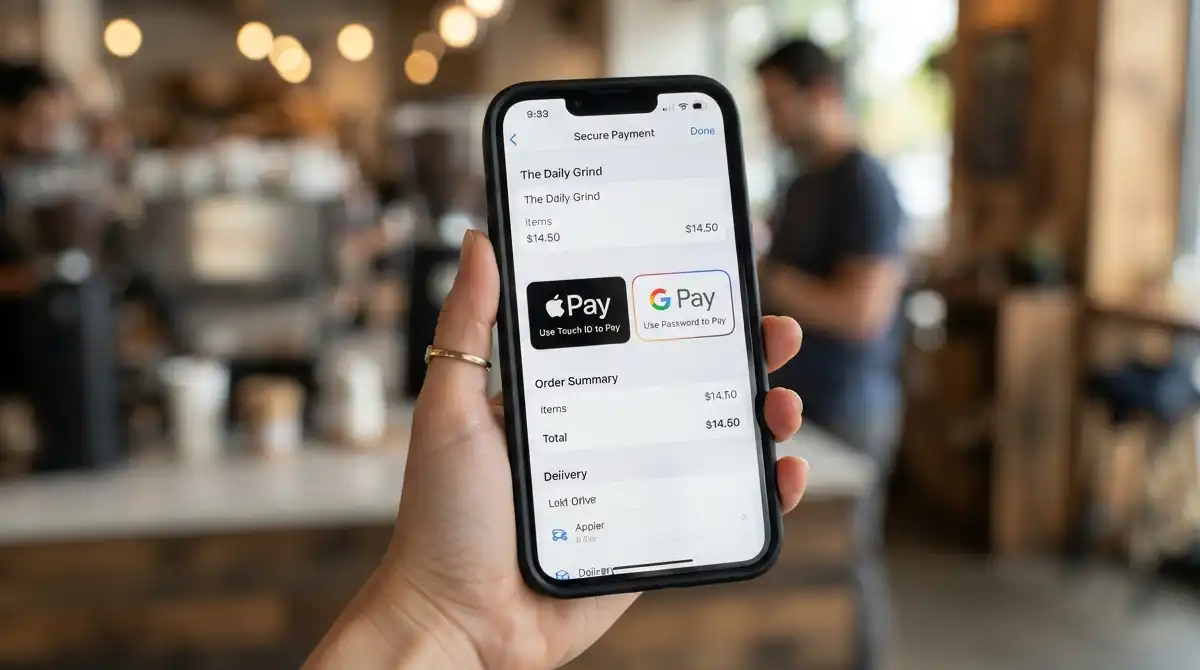
Apple’s Tap to Pay feature expanded into Estonia, Latvia, and Lithuania within the past year, moving the company closer to full European Economic Area coverage with just a handful of countries left to cover. That expansion lands in a region where digital payments already account for over 85% of all e-commerce transactions in Estonia alone — this isn’t a market digital wallets are trying to break into from scratch. It’s a market already primed for them, and the mobile wallet share of checkout is climbing specifically because of that existing digital comfort.
This piece breaks down what’s actually happening with Apple Pay and Google Pay adoption across the three Baltic states, how the region differs country by country, and why the Baltics specifically have become a genuine proving ground for mobile wallet expansion in Europe.
How We Evaluated This Guide
Figures here combine the most recent available regional survey data — primarily SEB’s Baltic-wide e-commerce survey and current e-commerce market reporting — with 2026 infrastructure developments like Apple’s Tap to Pay rollout. Where the freshest available consumer-behavior survey data predates 2026 itself, that’s noted directly, since regional Baltic-specific payment surveys are conducted less frequently than broader European studies and it would be misleading to present older figures as current without flagging their actual age.
Why the Baltics Are an Unusually Strong Fit for Mobile Wallets
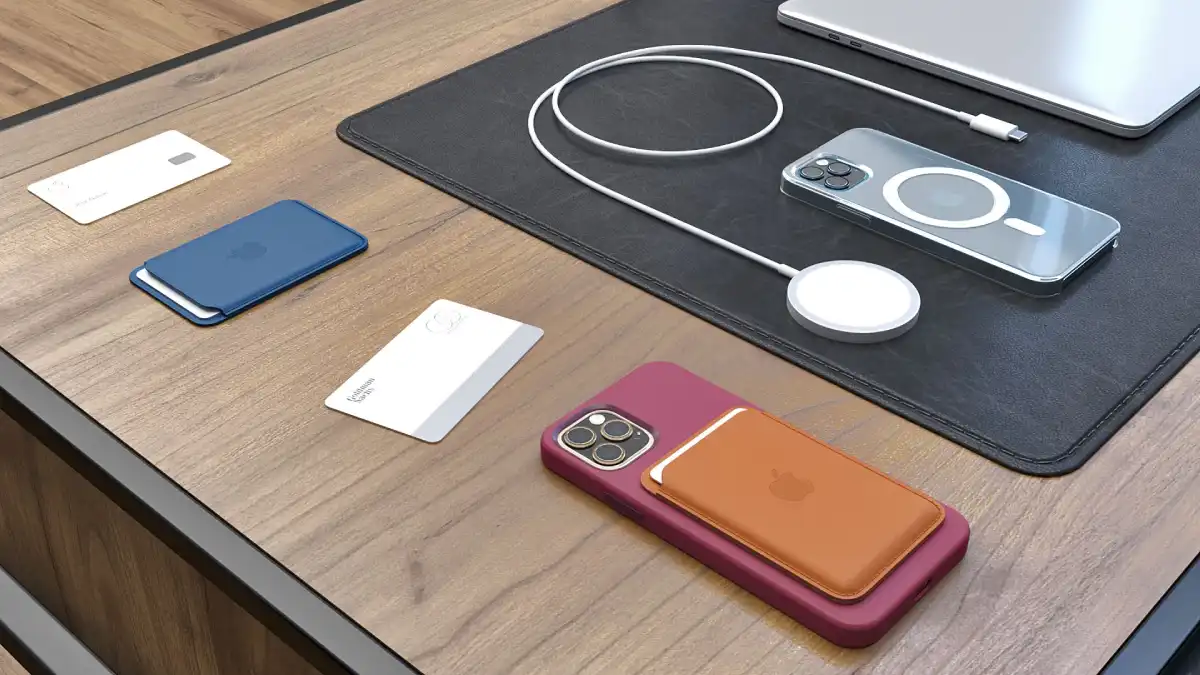
The Baltic states share a specific combination of traits that makes them genuinely well-suited to mobile wallet adoption, rather than just another region digital wallets happen to be expanding into. Estonia had 1.24 million internet users at the end of 2025 — 92.8% of the entire population — and local shoppers are already deeply used to online banking, digital authentication, and cashless transactions generally, which makes the region a strong fit for bank-linked payments, cards, Apple Pay, and Google Pay alike.
That digital comfort shows up directly in transaction data: Estonia’s digital payments already account for over 85% of all e-commerce transactions, with mobile commerce representing nearly 40% of online sales — a foundation that makes adding a mobile wallet option a natural extension of existing behavior rather than a habit shift merchants need to actively push.
Estonia: The Region’s Mobile Wallet Leader
Estonia shows the clearest mobile wallet lead among the three Baltic states. According to SEB’s Baltic-wide e-commerce survey, 70% of Estonian online shoppers prefer paying with credit or debit cards, while 25% use mobile wallets like Google Pay and Apple Pay — a higher mobile wallet share than either Latvia or Lithuania report in the same survey.
Estonia’s e-commerce market itself is valued at roughly $887.84 million in 2026, with growth projected to reach $1.41 billion by 2031 at a 9.61% compound annual growth rate — a market expanding fast enough that payment infrastructure decisions made now will shape checkout behavior for years. Digital wallets and contactless payments are described as growing steadily within that market, commonly linked to major bank-issued cards rather than existing as a separate, standalone payment rail.
“This makes Estonia a strong fit for bank-linked payments, cards, Apple Pay, Google Pay, PayPal, and other digital payment options.” — E-Commerce Germany, 2026 Estonian market overview
Best for merchants targeting Estonia specifically: treat Apple Pay and Google Pay as expected checkout options, not optional extras — a quarter of online shoppers already default to them, and that share sits meaningfully above the regional average.
Latvia and Lithuania: Strong Digital Adoption, a Different Payment Mix
Latvia and Lithuania show slightly higher overall online shopping frequency than Estonia — 46% of Latvians and Lithuanians shop online monthly, compared to 43% of Estonians — but a somewhat different payment method mix at checkout.
Lithuania in particular stands out for a genuinely distinct preference: while Visa (62.5%) and Mastercard (61.9%) remain prominent, Lithuanians show a strong preference for debit cards (55.7%) over credit cards (16.3%), and the market leans more heavily toward bank-associated payment methods than Estonia or Latvia do. Lithuania has also seen internet banking and mobile payment app adoption climb rapidly — 94% of residents with a payment account used internet banking, and 69% used mobile payment apps, reflecting a payments culture where open banking and bank-linked payment initiation sit alongside card and wallet options rather than being replaced by them.
Best for merchants expanding into Lithuania specifically: don’t assume the Estonia playbook transfers directly — bank-linked and debit-first payment preferences mean a checkout flow optimized purely around credit cards and generic mobile wallets may underperform compared to one that also surfaces bank-transfer and debit-specific options prominently.
The Apple Tap to Pay Expansion: A Real Infrastructure Shift
The most concrete, recent development in this space is Apple’s Tap to Pay expansion into Estonia, Latvia, and Lithuania, bringing the feature to five new European markets and moving Apple close to full European Economic Area coverage. The rollout isn’t uniform across all three countries — Estonia and Lithuania support Tap to Pay through SumUp and Revolut, while Latvia’s rollout currently centers on SumUp specifically — a reminder that even within a small, closely linked region, payment infrastructure details vary country by country.
This expansion matters beyond the feature itself because of what it signals about merchant demand. Apple Pay already accounts for 54% of in-store mobile wallet transactions in the US, and 68% of users report Apple Pay feeling faster for in-store transactions than competing mobile wallets — that existing consumer comfort converts directly into merchant demand once the infrastructure exists locally, since Tap to Pay lets merchants accept what customers already prefer without installing a separate physical terminal.
Best for small merchants in the Baltics without existing card-terminal infrastructure: Tap to Pay through a supported provider (SumUp or Revolut depending on country) offers a genuinely lower-friction path to accepting contactless and mobile wallet payments than a traditional POS terminal setup.

What This Means for Businesses Operating in the Region
- Don’t treat the Baltics as one undifferentiated market. Estonia’s higher mobile wallet share, Lithuania’s debit and bank-link preference, and Latvia’s more limited Tap to Pay provider support all mean a single regional payment strategy will underperform compared to country-specific configuration.
- Prioritize Apple Pay and Google Pay visibility at checkout in Estonia specifically, given its notably higher mobile wallet adoption share relative to its Baltic neighbors.
- In Lithuania, don’t neglect bank-linked and debit-first payment options even while supporting mobile wallets, since the market’s payment culture leans more heavily toward bank-associated methods than card-network-first alternatives.
- Consider Tap to Pay infrastructure for in-person or hybrid retail given how recently it arrived in the region — merchants who adopt early may capture a real first-mover advantage with customers already primed to expect it from their experience with digital payments generally.
Where This Analysis Falls Short
A few honest limitations belong here, since regional Baltic payment data is genuinely less frequently refreshed than broader European or US market reporting.
- The most detailed consumer survey data available predates 2026 itself. SEB’s Baltic e-commerce survey, the primary source for the Estonia-vs-Latvia-vs-Lithuania mobile wallet comparison, was conducted in fall 2024 — the general pattern is likely still directionally accurate given how gradually payment preferences shift, but treat the exact percentages as a recent baseline rather than a real-time 2026 figure.
- Lithuania’s internet banking and mobile app adoption figures are older still. The 94%/69% figures cited reflect 2022 data — genuinely useful as context for the market’s underlying digital infrastructure, but not a current 2026 snapshot.
- Tap to Pay provider support is actively evolving. Latvia’s more limited current support (SumUp only, versus Estonia and Lithuania’s SumUp-and-Revolut combination) may expand further as adoption grows — verify current provider availability before building a payment strategy around a specific integration.
- Market-level statistics don’t capture category-specific variation. Payment preferences likely differ meaningfully between categories like fashion, groceries, and higher-ticket electronics — a general regional payment strategy should still be tested against your specific product category’s actual checkout data.
The Bottom Line
Apple Pay and Google Pay aren’t disrupting an unprepared market in the Baltics — they’re extending a payments culture that was already unusually digital-first, with Estonia leading regional mobile wallet adoption and Apple’s recent Tap to Pay expansion adding real infrastructure momentum behind that shift. The opportunity for merchants operating in the region isn’t simply “add digital wallets to checkout” — it’s configuring payment options deliberately by country, given how differently Estonia, Latvia, and Lithuania actually behave at checkout despite their shared regional identity.
FAQ
Which Baltic country has the highest mobile wallet adoption?
Estonia, where 25% of online shoppers use mobile wallets like Apple Pay and Google Pay, a higher share than reported in Latvia or Lithuania in the same regional survey.
Is Apple Pay’s Tap to Pay feature available across all three Baltic states?
Yes, but provider support differs — Estonia and Lithuania support Tap to Pay through both SumUp and Revolut, while Latvia’s current rollout centers on SumUp specifically.
Do Lithuanians prefer cards or digital wallets for online shopping?
Cards remain dominant, but with a distinct preference for debit over credit — 55.7% of Lithuanians favor debit cards compared to 16.3% preferring credit, and the market leans more toward bank-associated payment methods than Estonia or Latvia.
How big is the e-commerce market in the Baltics?
Estonia’s market alone is valued at roughly $887.84 million in 2026, projected to reach $1.41 billion by 2031 — and digital payments already account for over 85% of Estonian e-commerce transactions specifically.
Should businesses use the same payment strategy across all three Baltic countries?
No — Estonia’s higher mobile wallet share, Lithuania’s bank-link and debit-first preferences, and Latvia’s more limited Tap to Pay provider support all suggest a country-specific payment configuration will outperform a single undifferentiated regional approach.