How to Get Profit From Your Car in 2026
A practical breakdown of every legitimate way to turn your vehicle into a revenue stream — from ride-sharing and delivery to mobile services and advertising — without destroying the car's value.

Talal Emran
Web Developer & Designer
Published
9 min read
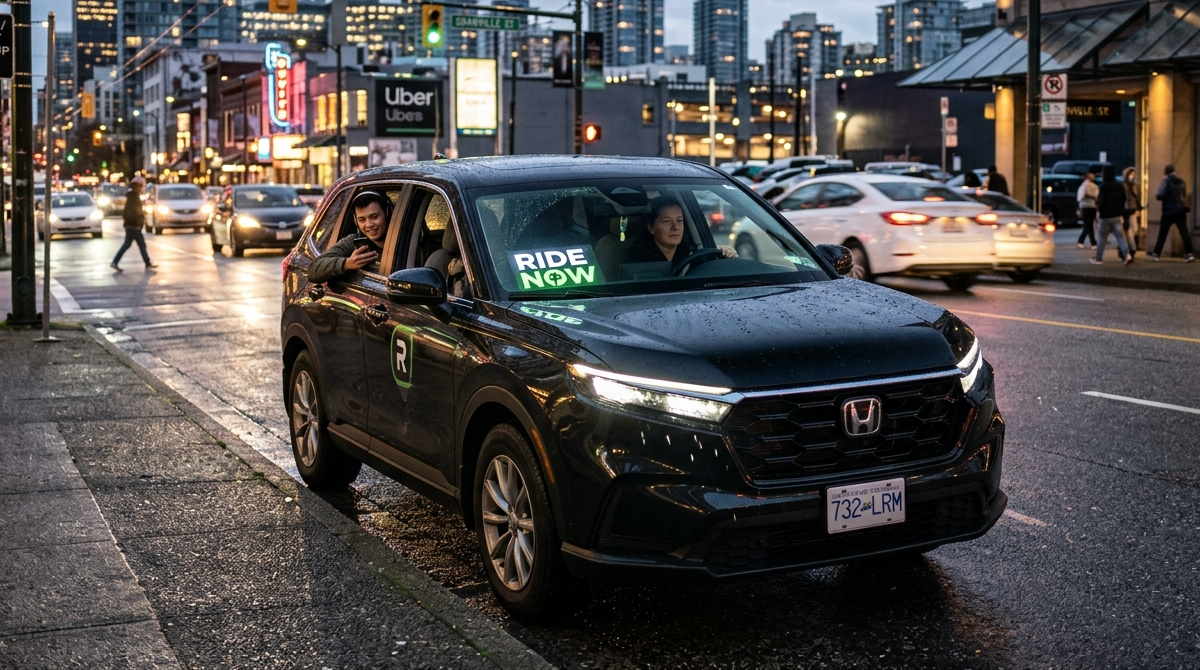
A car is usually the second-biggest expense most people carry after housing, and for most of its life it sits parked doing nothing. Turning that liability into income is possible in 2026 through several distinct paths — rental marketplaces, rideshare driving, and car wrap advertising — but they don’t pay anywhere close to the same amount, and the “passive income” framing around some of them is more marketing than reality.
This guide breaks down what each model actually pays after expenses, what it demands from you in return, and how to pick the one that fits your car and your time rather than chasing the biggest headline number.

How We Evaluated This Guide
The earnings figures here come from platform-reported averages, gig-analytics platforms that aggregate real driver and host data (Gridwise, Turo’s own Carculator), and multiple independent sources cross-checked against each other. Every model is evaluated on net income after real costs — fuel, depreciation, insurance, fees — not the gross headline numbers most “side hustle” roundups lead with.
The Four Real Ways to Profit From a Car
Before the deep dive, here’s the landscape at a glance. Each model trades a different amount of effort for a different ceiling on income.
| Model | Typical monthly net | Effort level | Upfront requirement |
|---|---|---|---|
| Peer-to-peer rental (Turo) | $300–$1,500 per vehicle | Low to moderate | Own a qualifying car outright or with equity |
| Rideshare driving (Uber/Lyft) | $1,200–$2,800 (net, full-time) | High | Time behind the wheel |
| Car wrap advertising | $100–$450 | Very low | None beyond normal driving |
| Delivery driving (DoorDash/Uber Eats) | Varies widely by hours | High | Time and vehicle wear |
Turo: Renting Out Your Car When You’re Not Using It
Turo turns your car into a listing the same way Airbnb turns a spare room into one. You set availability, guests book directly, and you collect a share of the rental fee.
The honest earnings range is wide because it depends heavily on vehicle type and market. Economy cars typically net $300–$600 a month, SUVs and mid-range vehicles bring in $700–$1,200, and luxury or EV listings can clear $2,000–$5,000+ monthly in strong markets. Turo itself reports a lower national average across all listed vehicles — $545/month — which reflects the reality that most hosts aren’t running luxury fleets in top-tier cities.
Turo itself reports a lower national average across all listed vehicles — $545/month — which reflects the reality that most hosts aren’t running luxury fleets in top-tier cities.
“Studies show that over 60% of new Turo hosts end up losing money, often because they choose vehicles without properly calculating their return on investment.” — RentScout, on common first-time host mistakes
Best for: owners of a paid-off or low-payment vehicle in a mid-size to large city who can tolerate normal wear from strangers driving it and want a mostly passive income stream.

The fee structure matters more than most new hosts realize.
The fee structure matters more than most new hosts realize. Turo’s protection plans range from roughly 60% to 90% payout depending on how much liability coverage you keep — most experienced hosts land on the 75% or 80% plan, since the extra payout from the highest tier often isn’t worth the thinner insurance coverage. Idle days are the biggest profit killer in this model: a five-day increase in monthly utilization can boost net profit by 30% or more, which means aggressive calendar and pricing management often matters more than which car you list.
Rideshare Driving: The Highest Ceiling, the Highest Time Cost
Uber and Lyft driving pays significantly better per hour than any other model on this list, but it’s the only one that isn’t remotely passive — you’re trading hours for dollars, and your car absorbs real mileage the whole time.
Gross pay across both platforms clusters around $18–$26 an hour in most markets, with premium tiers and high-demand cities like New York or San Francisco pushing that toward $30–$40 during peak windows. After gas, depreciation, maintenance, insurance, and self-employment tax, most full-time drivers actually net $11–$18 an hour — a meaningful haircut from the advertised gross rate that a lot of new drivers don’t budget for upfront.
Best for: drivers who need real income now, not a slow-building side asset, and who are comfortable treating their car as a depreciating business tool rather than a personal vehicle.
A few numbers worth knowing before you start:

- Depreciation and maintenance alone run roughly $0.10–$0.25 per mile over the long term for rideshare-level usage, and new drivers often underestimate this cost by around 30%.
- Tips make up only about 7% of total Uber driver earnings at the median — far lower than food delivery, where tips can represent a third or more of total pay.
- Multi-apping (running Uber and Lyft simultaneously) is one of the most consistently cited ways to reduce idle time and can lift effective hourly earnings by 25–40% compared to using a single platform.
Car Wrap Advertising: Genuinely Passive, Genuinely Limited
This is the model with the least effort and the lowest ceiling, and it’s worth being direct about that trade-off upfront. Companies like Wrapify, Carvertise, and Nickelytics pay you to drive with a decal, partial wrap, or full wrap advertising a brand — you don’t change how or where you drive, you just get paid for the exposure.
Realistic pay lands between $100 and $450 a month depending on coverage size, your city’s density, and how many miles you log. Full wraps pay more than decals, and dense metro driving pays more than suburban or rural routes, since advertisers are paying for eyeballs, not mileage alone.
Best for: drivers who already commute heavily and want a small, genuinely passive income stream layered on top of a routine they’re not changing.
The single most important thing to know about this model is what a legitimate offer looks like versus a scam. Any company promising hundreds of dollars a week for a simple decal is not legitimate — real payouts top out in the hundreds per month, not per week, and legitimate companies never charge an upfront fee to participate.
Delivery Driving: A Flexible Middle Ground
DoorDash and Uber Eats deliver a different trade-off than rideshare — generally lower per-hour ceilings, but far more flexibility, since you’re not waiting on passengers and can decline orders freely on most platforms without real penalty. It fits well as a secondary income layered around rideshare hours or as a lower-commitment starting point before scaling into a full Turo listing or full-time driving.
Earnings here depend heavily on market and time of day, and unlike rideshare, tips make up a much larger share of total pay — often a third or more of earnings on food delivery specifically. This model works best combined with something else on this list rather than as a standalone plan.
Matching the Model to Your Situation

- You own a second car or rarely drive your main vehicle: Turo is the strongest fit — it monetizes idle time you’re already not using.
- You need meaningful income now and have hours available: rideshare driving has the highest realistic ceiling, but budget for the net-versus-gross gap before committing.
- You already commute a lot and want zero added effort: car wrap advertising is the only genuinely passive option here, with a correspondingly modest ceiling.
- You want flexibility without a full-time rideshare commitment: delivery driving fills the gap, especially paired with another model during off-peak hours.
Where This Advice Falls Short
A few honest caveats belong here, since the “get paid for your car” niche is full of inflated numbers.
- Most earnings ranges are wide because local market conditions dominate. A Turo listing or rideshare hour in a major metro can outperform a rural one by two or three times.
- Every model has real costs that generic pitches downplay. Depreciation, insurance implications, and vehicle wear are genuine costs, not hypothetical ones — run the numbers before committing capital or time.
- Car wrap advertising availability is inconsistent. Campaigns aren’t guaranteed or continuous, and driver selection depends on location and vehicle type in ways you don’t fully control.
- None of this replaces checking your own insurance policy and local regulations. Rideshare driving typically requires a specific insurance endorsement, and car wrap legality varies by municipality and HOA rules.
The Bottom Line
There’s no single best way to profit from a car in 2026 — there’s a best way for your specific vehicle, market, and how much time you’re willing to trade for the return. Turo rewards owners with idle capacity and patience for calendar management. Rideshare rewards people who need real hourly income and can absorb the vehicle wear. Car wrap advertising rewards people who want to change nothing about their routine and are realistic about the modest payout. Know which trade-off you’re actually making before you pick one.
FAQ
What’s the most profitable way to make money from a car? Rideshare driving has the highest realistic ceiling per hour, typically netting $11–$18 an hour after expenses for full-time drivers — but it’s also the only model on this list that isn’t passive, since you’re trading real time for that income.
Can you actually make passive income from a car? Yes, through Turo or car wrap advertising, though the two differ sharply in ceiling — Turo can net several hundred to a few thousand dollars a month depending on the vehicle and market, while car wrap advertising realistically tops out around $450 a month.
Is car wrap advertising a scam? Legitimate companies exist — Wrapify, Carvertise, and Nickelytics are commonly cited as reputable — but any offer promising hundreds of dollars a week, or one that asks for an upfront fee, is not legitimate.
How much does it really cost to drive for Uber or Lyft? Depreciation and maintenance alone run roughly $0.10–$0.25 per mile, and combined with gas, insurance, and self-employment tax, most drivers keep only 50–70% of their gross earnings as actual take-home pay.
Should I list my car on Turo if I only have one vehicle? It’s workable, but expect more scheduling friction than a dedicated second car would allow — over 60% of new Turo hosts lose money in their first stretch, often from picking the wrong vehicle or protection plan rather than from the platform itself.