Gig Work Platform Tactics: What Actually Moves the Needle
Gig work platform tactics that actually work in 2026 — Upwork's JSS, DoorDash acceptance rates, and Uber's algorithm, backed by real data.

Talal Emran
Web Developer & Designer
Published
10 min read
Two people can run the identical hustle — same skills, same platform, same hours — and post wildly different earnings. One understands the algorithm deciding who gets seen. The other doesn’t. That gap is the entire subject of this guide.
This piece breaks down the gig work platform tactics that hold up under real data in 2026: how Upwork’s ranking systems actually work, when DoorDash’s acceptance rate matters and when it’s noise, and how Uber’s tier system gates rewards without touching your order flow. No platform PR, no forum myths — just the mechanics and what to do with them.
How We Evaluated These Tactics
We focused on three criteria when picking which platforms and tactics to cover here: the platform has to publish or at least partially disclose its ranking logic, the tactic has to be backed by verifiable data rather than driver-forum folklore, and the advice has to hold up whether you’re doing this five hours a week or fifty. Platforms that keep their algorithms fully opaque, or where the “tactics” amount to unverifiable rumor, didn’t make the cut.
The Real Size of the Gig Economy in 2026
Before the tactics, the numbers worth knowing. An estimated 72.9 to 76.4 million Americans now do freelance or gig work, roughly 36% of the total US workforce. But most of that work is a side channel, not a full-time replacement for a job.
| Metric | Figure | Source |
|---|---|---|
| US adults who did gig work in the prior month | 20% | Federal Reserve SHED, Oct 2024 |
| Of those, gig work as their main job | 21% | Federal Reserve SHED, Oct 2024 |
| Spent under 5 hours/week on gig work | 70% | Federal Reserve SHED, Oct 2024 |
| Uber gross bookings, Q2 2026 | $58.0B | Uber Q2 2026 results |
| Uber trips, Q2 2026 | 3.87B | Uber Q2 2026 results |
| DoorDash paid to Dashers across 2025 | $20B+ | DoorDash 2025 |
Seventy percent of Americans who did gig work spent under five hours a week on it. That single number should shape your whole strategy: optimize for hourly efficiency, not for platform loyalty points that only pay off after hundreds of hours.
The financial split matters too. Among adults who did any gig activity, 65% said they were doing okay or living comfortably — versus 75% of adults who did no gig work at all, and 55% among platform gig workers specifically. Working these platforms well is a genuine lever for closing that gap, not just an optimization exercise.
“The algorithm ranks proposals by predicting contract success, not by reading your cover letter quality.” — GigRadar, on Upwork’s 2026 ranking mechanics
Upwork: Winning the Three Ranking Systems

Upwork isn’t one algorithm. It’s three, and most freelancers only ever think about one of them.
Talent search controls what happens when a client searches “React developer” and browses profiles. Proposal ranking determines the order clients see submitted proposals for a posted job. Invitation matching proactively suggests freelancers clients can invite. Your Job Success Score matters across all three, but response time carries more weight for invitations, while your profile title carries enormous weight in talent search and a much smaller role in proposal ranking, where cover letter and bid amount matter more.
That distinction changes what you fix first. Not getting invited to jobs? Fix your title and skill tags. Proposals not converting? Fix your cover letter and pricing — your headline isn’t the problem.
Job Success Score: The Metric That Gates Everything
Your JSS isn’t a star-rating average. It’s a rolling algorithm based on client satisfaction over the past 24 months, factoring in contract outcomes, public and private feedback, disputes, and long-term client relationships. The thresholds matter more than the raw number:
- Below 75% — Upwork may restrict your account’s visibility in search and the job feed entirely.
- 75–89% — Functional, but ineligible for Top Rated status and less competitive in search.
- 90%+ — Eligible for Top Rated and Rising Talent badges, with strong search visibility. One detail catches new freelancers off guard: because JSS is a rate of satisfactory contracts over total contracts, a small number of total contracts makes each individual outcome disproportionately impactful. Your first five contracts carry more statistical weight than your fiftieth. Pick safe, well-scoped clients early — don’t chase your biggest possible project out of the gate.
JSS Recovery: A Real Timeline
If a bad contract tanks your score, the fix is sequence, not panic:
- Stop chasing high-scope, high-risk jobs. Focus on 3-5 smaller, lower-risk projects with a high probability of success.
- Let the recency weighting work for you. New successful contracts are weighted more heavily within the recent 24-month window.
- Expect months, not weeks. Recovery from one bad contract typically takes 3-6 months of consistently strong performance.
- Use existing relationships. Long-term client relationships boost JSS significantly — a client you’ve already delivered for is your fastest way back.
Skip the Volume Trap
Applying to everything feels like hedging your odds. The data says it backfires. Upwork penalizes low win rates — apply to 100 jobs and win one, and the algorithm reads you as a poor match; apply to 20 and win three, and you’re a strong candidate. Selectivity is a ranking signal, not just a time-saver.
Timing compounds this. Proposals submitted within 60 minutes of a posting get a measurable reply-rate lift, and a proposal-to-interview ratio below 10% in high-intent categories can trigger visibility suppression.
Best for: freelancers who want a data-backed system to build (or repair) long-term visibility, not a one-time profile hack.
Boost, used correctly: boosted profiles with low JSS and vague titles still underperform well-optimized organic profiles. Treat paid Boost as a diagnostic, not a fix — Upwork’s Stats page reports boosted versus organic performance separately, so if boosted proposals convert worse than organic ones, your targeting is the problem, not your budget.

DoorDash: What Acceptance Rate Actually Gates
Acceptance rate is the most argued-about number in delivery gig work, mostly because DoorDash and Uber treat it completely differently — and forum advice rarely separates the two.
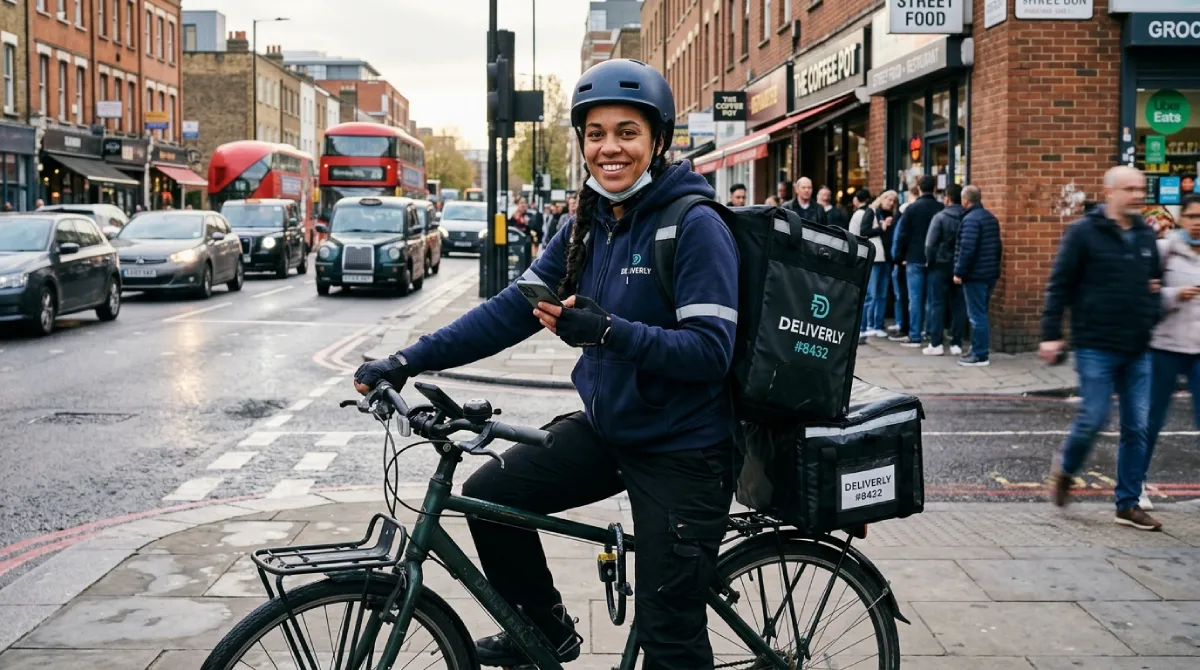
DoorDash has no minimum acceptance rate, and declining orders won’t get you suspended, penalized, or reduce how many requests you receive. The only cost of declining is the order you passed on. But there’s one specific gate where the number matters:
“Food delivery drivers with an average customer rating of at least 4.5 stars and an acceptance rate of at least 50% can unlock Priority Access orders.” — The Rideshare Guy
Priority Access gives Dashers first access to orders and priority for Dash Now scheduling. A real 30-day test backs this up with numbers: maintaining 70%+ acceptance on DoorDash for two weeks pushed average pay up by $3.10 an hour, driven by Top Dasher order priority.
Best for: Dashers who want flexible, unscheduled access (Dash Anytime) and are willing to trade some low-value orders for it. If you’re purely chasing per-hour pay and don’t need Priority Access, DoorDash’s own policy gives you permission to decline freely.
Uber: Tier Status vs. Order Flow
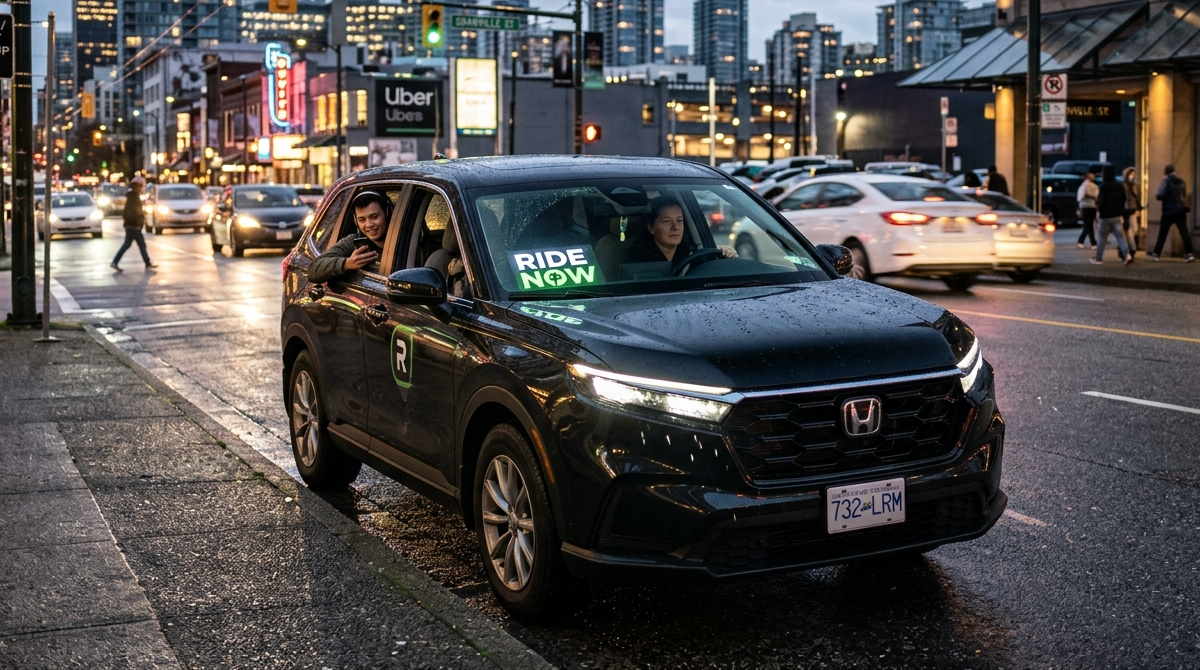
Uber’s framing is more direct about what acceptance rate controls. It affects Uber Pro and Uber Eats Pro status, which determines reward tiers — Gold, Platinum, and Diamond all require maintaining a certain acceptance rate. It’s a loyalty-tier gate, not a per-order ranking factor the way some drivers assume.
By contrast, on Uber Eats, cherry-picking better deliveries carried no penalty on order quality in the same 30-day test — the platform shows upfront fare and estimated tip, so declining a bad offer costs nothing beyond the wait for the next one.
Best for: drivers who want reward-tier perks (Gold/Platinum/Diamond) without DoorDash’s specific Priority Access threshold logic.
A New Reward Layer Is Emerging
Both platforms are testing systems that reward reliability with better access instead of punishing refusal. >Uber Eats piloted a “Preferred Deliveries” reward in select cities, where couriers who accept more requests, cancel less, and deliver reliably get priority access to higher-paying deliveries. Expect more platforms to formalize this carrot-first model — it’s cheaper for a platform to reward reliability than to police cancellations.
Platform Comparison Table

| Factor | Upwork | DoorDash | Uber / Uber Eats |
|---|---|---|---|
| Core ranking metric | Job Success Score | Acceptance rate (gate only) | Acceptance rate (tier only) |
| Minimum threshold | 90%+ for Top Rated | 50% for Priority Access | Varies by reward tier |
| Penalty for declining/passing | Lower proposal ranking if win rate drops | None officially | None on order flow |
| What high performance unlocks | Top Rated badge, search visibility | Priority Access, Top Dasher perks | Gold/Platinum/Diamond rewards |
| Fastest recovery lever | Small, low-risk wins | N/A — rate resets per rolling window | N/A — rate resets per rolling window |
How to Choose Your Tactic
- Want maximum hourly pay with minimal commitment: be selective everywhere — ignore tier-chasing on delivery apps, prioritize win rate over volume on Upwork.
- Want platform badges (Top Rated, Top Dasher, Diamond): prioritize consistency and acceptance rate over any single high-paying order or job.
- Building long-term freelance income: protect your JSS above raw application volume — selectivity is the ranking signal, not a nice-to-have.
- Recovering from a bad stretch: take small, low-risk wins over big swings, and give it months, not days.
What to Do After You’ve Picked a Platform

- Track your numbers monthly, not daily. JSS and acceptance rate are rolling metrics — daily swings are noise.
- Don’t apply the wrong platform’s logic to the wrong app. A DoorDash acceptance strategy applied to Uber Eats can cost you money instead of earning it.
- Treat paid visibility tools (Boost, ads) as diagnostics. If they underperform your organic results, the fix is targeting, not budget.
- Revisit thresholds periodically. Platforms update badge and tier requirements; a rule that held six months ago may have shifted.
Where These Tactics Fall Short
To be fair to the platforms and to readers: these tactics come with real limits.
- They assume you have a choice of jobs or orders. In saturated markets, being selective is a luxury not every worker has.
- JSS math punishes new freelancers disproportionately. A single unlucky client early on has an outsized impact that experienced freelancers with a longer contract history don’t feel.
- Acceptance-rate thresholds are not permanent. DoorDash and Uber can and do adjust Priority Access and tier requirements without much notice.
- None of this fixes a genuinely underpriced market. No amount of algorithm literacy substitutes for choosing categories or cities with real demand.
The Bottom Line
Every platform covered here has published or observable rules governing visibility, and most underperformance comes from working against those rules rather than with them. Selectivity, consistency, and knowing which metric actually gates which reward beat raw hustle every time. The workers pulling ahead in 2026 aren’t grinding more hours — they’re grinding the same hours smarter.
FAQ
Does acceptance rate affect DoorDash order quality? No. DoorDash doesn’t penalize drivers for declining orders and won’t reduce how many requests you receive. It only gates Priority Access at the 50% threshold combined with a 4.5+ rating.
How long does it take to recover a damaged Upwork JSS? Typically 3-6 months of consistently strong performance on smaller, lower-risk contracts, since recent successful contracts carry more weight in the rolling 24-month calculation.
Is boosting proposals on Upwork worth the cost? Only if your organic fundamentals are already solid. Well-optimized organic profiles routinely outperform boosted profiles with weak JSS or vague titles — boost supplements a strong profile, it doesn’t replace one.
Should I chase every delivery order to keep my acceptance rate high? Only if you actually want what that rate unlocks. On DoorDash, it’s Priority Access and Top Dasher perks. On Uber, it’s Pro tier rewards. If neither matters to you, decline freely — cherry-picking on Uber Eats carries no penalty at all.