Best Flexible Work Schedule Jobs in the Gig Economy
The best flexible work schedule jobs in today's gig economy — real 2026 pay data across entry-level, skilled, and professional gig work.

Talal Emran
Web Developer & Designer
Published
10 min read

More than 72 million Americans now work independently, and 76% of them describe gig work and freelancing as a permanent career choice rather than a temporary stopgap. That shift matters for anyone evaluating flexible work right now: the gig economy in 2026 isn’t just delivery driving and errand-running anymore — it spans everything from $20-an-hour dog walking to $200-an-hour freelance software development, all sharing the same core trait of letting the worker control when the work happens.
This guide breaks down the best flexible schedule jobs actually available in 2026 across the full pay spectrum, what each category realistically earns after fees and expenses, and how to think about which type of flexible work actually fits your situation rather than just chasing whichever number looks biggest in a headline.
How We Evaluated This Guide
Pay figures here are cross-referenced across multiple 2026 sources — platform-reported data, Bureau of Labor Statistics figures, and independent freelancer income surveys — since single-source gig-pay claims vary enormously and are often inflated in promotional content. We separated gigs by real skill and flexibility level rather than presenting one flat list, since “best” means something different depending on whether you’re optimizing for immediate income or long-term hourly rate.
Understanding the Three Tiers of Flexible Gig Work
Not all flexible gigs are flexible in the same way, and conflating them leads to disappointment. It’s worth separating them into three tiers before looking at specific roles.
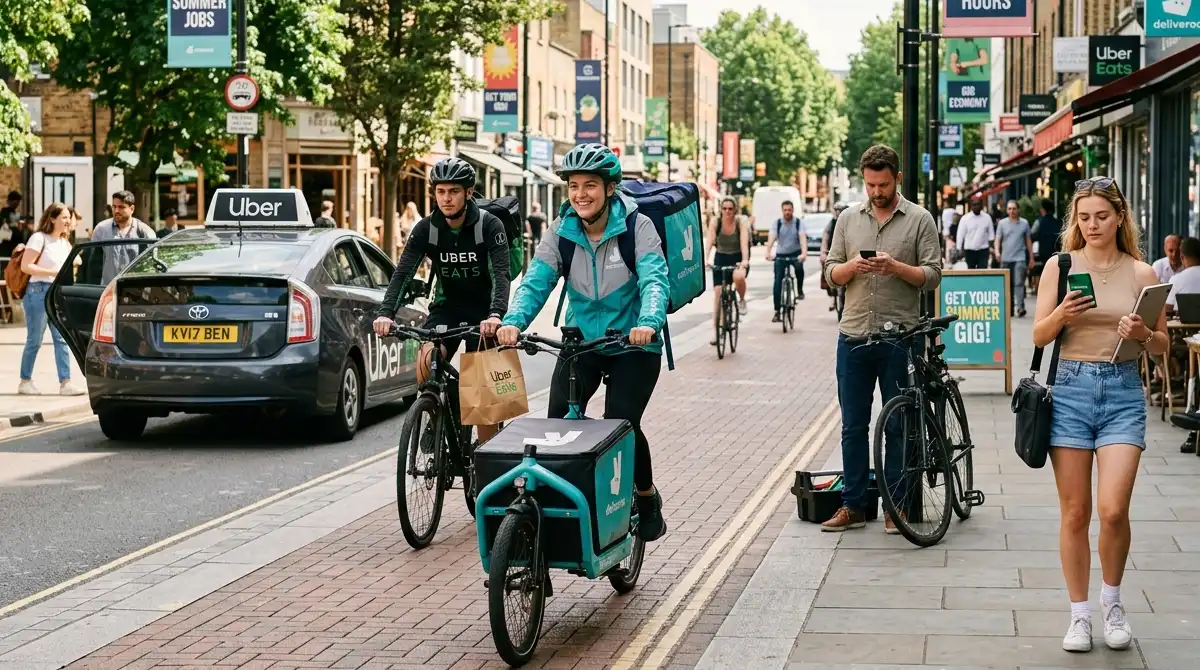
- Entry-level, app-based gigs — delivery, rideshare, task-based work. Lowest barrier to entry, immediate income, but a real pay ceiling and genuine flexibility only within each individual task’s accept/decline window.
- Skilled service gigs — tutoring, pet care, local task work, proofreading. Moderate pay, real scheduling control since you set your own available windows in advance.
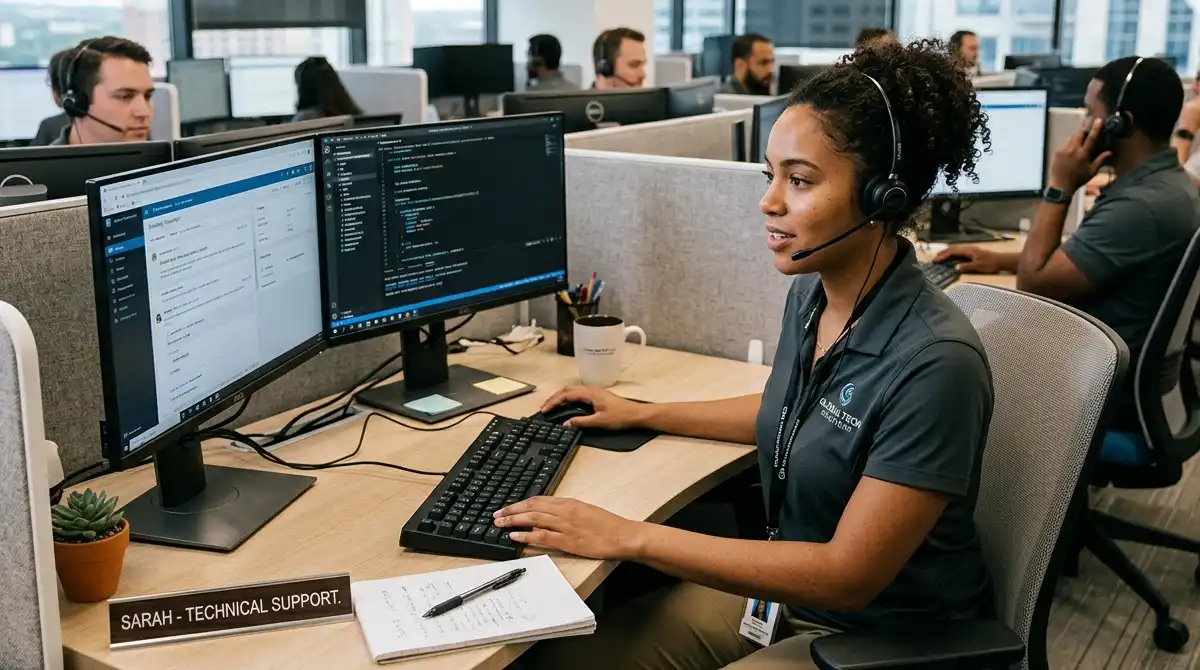
- Professional freelance and remote gigs — design, development, consulting, content strategy. Highest pay ceiling, the most genuine flexibility since work is typically async and deadline-driven rather than shift-based, but requires an existing marketable skill.
What this means practically: the “best” tier depends entirely on what you’re optimizing for — immediate cash flow favors entry-level gigs, while long-term hourly rate favors building toward the professional tier, even if that takes longer to ramp up.
The Highest-Paying Flexible Gig Jobs in 2026

| Role | Typical Hourly Rate | Flexibility Type |
|---|---|---|
| Software Developer (freelance) | $70–$200/hr | Fully async, deadline-driven |
| UX/UI Designer (freelance) | $65–$190/hr | Fully async, deadline-driven |
| Cybersecurity Consultant | $80–$150/hr | Project-based, self-scheduled |
| AI Workflow Consultant | $75–$150/hr | Project-based, self-scheduled |
| Content Strategist | $50–$100/hr | Fully async |
| AI Prompt Engineer | $35–$60/hr (avg. $54) | Fully async |
| Freelance Proofreader | $15–$40/hr | Fully async |
| Massage Therapist (independent) | $39+/hr | Self-scheduled appointments |
Software development and design consistently top these rankings, and the gap between them and entry-level gig work is enormous — a freelance developer at the high end can earn in an hour what a delivery driver earns in a full shift. That gap exists because these roles are genuinely scarce-skill work, not because the platforms connecting them are inherently better.
Best for maximizing long-term hourly earnings: investing time in a marketable technical or creative skill — development, design, or specialized consulting — since the pay ceiling in this tier is categorically higher than anything in entry-level gig work.
Mid-Tier Flexible Gigs: Real Skill, Real Scheduling Control
Not every well-paying flexible gig requires a technical background. A meaningful middle tier offers solid pay with genuine control over your calendar, without the steeper learning curve of software development or design.
- Tutoring — $24–$55/hr depending on subject and platform, with popular subject specialists and test-prep tutors commanding the top of that range.
- Pet sitting and dog walking — $20–$40/hr through platforms like Rover, with income scaling based on how many bookings you accept and during which peak periods.
- Bookkeeping and virtual assistance — routinely cited among the strongest flexible remote roles for people with organizational and basic financial skills, without requiring a specialized technical degree.
- Massage therapy — starting around $39/hr with just a certification, one of the more accessible paths into a genuinely well-paying, appointment-based flexible schedule.
Best for people who want real scheduling autonomy without a steep technical learning curve: this mid-tier, since it offers meaningfully better pay than app-based delivery work while still requiring only a moderate skill investment to get started.
Entry-Level Flexible Gigs: Fastest to Start, Real Pay Ceiling
App-based delivery and task work remain the fastest way to start earning with zero specialized skill required, and they’re worth including honestly rather than dismissing — for many people, immediate income matters more than long-term hourly optimization.
DoorDash and similar delivery platforms typically pay $17–$24 an hour during peak lunch and dinner windows, and can schedule around whatever availability a worker actually has. Shipt shoppers average $15–$20 an hour under the platform’s current pay structure. These roles share the same fundamental tradeoff: genuine per-task flexibility (accept or decline any given order) but a real ceiling on total hourly earnings that skilled or professional gig work doesn’t share.
“There’s no single best gig economy job in the US, and anyone selling you one is skipping a step.” — BestJobSearchApps, 2026 gig economy analysis
Best for immediate income with zero setup time or specialized skill: delivery and task-based platforms, understanding clearly that the pay ceiling here is meaningfully lower than skilled or professional gig work.
Beyond Gig Apps: Flexible Traditional and Remote Roles
“Flexible schedule” in 2026 extends well past app-based gig work into a broader category worth understanding separately. The average flexible remote role in the US pays around $72,000 a year, with most workers earning between $38,500 and $99,500, and the highest-paying flexible roles — therapy in private practice, software engineering, consulting — clear $100 an hour.
These roles break down into a few distinct flexibility types worth knowing, since they’re often conflated under one umbrella:
- Set-your-own-hours — freelance writing, design, bookkeeping, where output matters more than when the work happens.
- Remote with flexible hours — a role with real location freedom and substantial control over scheduling, though not full autonomy.
- Compressed or shift-swap arrangements — full-time hours restructured to fit personal life, such as four-day work weeks or self-scheduled nursing shifts.
What this means practically: if your goal is genuine full-time-equivalent income with flexibility, this broader category — not app-based gig platforms — is usually where the higher, more stable numbers actually live, even though it requires a more traditional job search rather than simply downloading an app.

A Practical Approach to Choosing Your Flexible Work
- You need income this week: entry-level delivery or task-based gigs, accepting the lower pay ceiling in exchange for zero setup time.
- You have a specific skill (writing, editing, organization, basic finance): the mid-tier — tutoring, bookkeeping, virtual assistance — for meaningfully better pay with real scheduling control.
- You have or are willing to build a technical or creative skill: professional freelance work in development, design, or consulting, where the pay ceiling is categorically higher.
- You want full-time-equivalent income with flexibility, not just supplemental cash: look beyond gig apps entirely toward flexible remote roles or compressed-schedule traditional jobs, where average pay runs meaningfully higher than app-based gig work.
- You’re not sure yet which tier fits: start with an entry-level gig to build immediate income and real-world data on your own time availability, while working toward a mid-tier or professional skill in parallel.
The One Number That Matters More Than Any Headline Rate
Every experienced source in this space converges on the same warning: track your actual effective hourly rate, not the advertised one. That means recording gross payout, platform fees, expenses (fuel, mileage, supplies), total hours worked including waiting time, and any unpaid or cancelled time — then calculating what you actually took home per hour worked, not per hour scheduled.
This matters because advertised per-task or per-order rates routinely look better than the real number once fees and expenses are subtracted, and the gap between advertised and real pay varies enormously by platform and category. A role advertised at $24 an hour can effectively pay meaningfully less once real costs are accounted for — the only way to know for a specific role is tracking it directly.
Where This Guide Falls Short
A few honest limitations belong here, since gig-economy pay claims in this space are frequently inflated or outdated.
- Advertised rates and real take-home pay often diverge significantly. Platform fees, vehicle or supply costs, and unpaid waiting time all reduce the effective hourly rate below the advertised figure — always calculate your own real number rather than trusting a headline rate.
- High-end professional rates require real, often years-long skill investment. The $70–$200/hr developer and designer rates cited here aren’t accessible without genuine expertise — they’re not a realistic starting point for someone with no relevant background.
- Gig work income is inherently less stable than traditional employment. Independent contractors are responsible for their own taxes, benefits, and retirement, and income can fluctuate significantly based on demand and platform algorithm changes.
- Pay figures shift regularly, sometimes without much notice. Several platforms cited here have changed their pay structures within recent years — verify current rates directly before making a decision based on any specific number in this guide.
The Bottom Line
There’s no single best flexible schedule job in 2026 — there’s a best fit depending on how quickly you need income and how much skill investment you’re willing to make. Entry-level gig work offers the fastest start with a real pay ceiling. Mid-tier skilled gigs offer meaningfully better pay with genuine scheduling control for a moderate skill investment. Professional freelance work offers the highest ceiling for those with or willing to build in-demand technical or creative skills. Track your actual effective hourly rate regardless of which tier you choose — it’s the number that separates a genuinely good flexible job from one that only looks good in a platform’s marketing.
FAQ
What’s the highest-paying flexible gig job in 2026?
Freelance software development and UX/UI design top current rankings, with rates running $65–$200 an hour depending on specialization — categorically higher than any entry-level, app-based gig work.
What’s the fastest flexible gig to start with no experience?
App-based delivery work (DoorDash, Shipt, and similar platforms) requires no specialized skill and can begin within days, typically paying $15–$24 an hour depending on timing and demand.
Is gig work pay actually as high as it’s advertised?
Often not once real costs are subtracted — platform fees, vehicle or supply expenses, and unpaid waiting time all reduce the effective hourly rate, which is why tracking your own real take-home pay matters more than trusting an advertised rate.
What’s a good middle-ground flexible gig that pays better than delivery work?
Tutoring, pet sitting, bookkeeping, and virtual assistance typically pay $20–$55 an hour with genuine scheduling control, without requiring the steep technical learning curve of professional freelance work.
Should I look beyond gig apps for flexible work?
Yes, if the goal is full-time-equivalent income — flexible remote roles and compressed-schedule traditional jobs average around $72,000 a year, meaningfully higher than most app-based gig work, though they typically require a more traditional job search process.